If you live in neighborhoods like Redondo, Enchanted Parkway, or West Federal Way, you’ve probably noticed how dense tree coverage and Pacific Northwest humidity can create the perfect storm for indoor mold growth—especially as summer heat begins to fade and cooler coastal air moves in.
During August, the condensation cycle kicks into high gear, and older homes in shaded corridors are particularly vulnerable to mold infestations, stale air, and rising indoor humidity. For homeowners in Northeast Tacoma, Auburn, or Milton, now is the time to assess indoor air quality and moisture exposure before fall weather seals in the problem.

What’s Behind the Mold Surge in Late Summer?
While most homeowners associate mold with winter rains, the late summer transition creates ideal mold conditions due to:
- Hot daytime temps mixing with cool marine air in the evening
- Shaded, tree-heavy zones retaining moisture longer
- Poor HVAC cycling in older homes, especially those with attic ductwork
- Basements and crawlspaces becoming more humid as ground temperatures shift
In areas like Redondo Beach Drive or Enchanted Parkway South, these effects are magnified by proximity to the water and lack of direct sunlight.

How to Spot the Signs in Federal Way and Surrounding Areas
Early detection is key. If you live in a neighborhood like Browns Point, Fife, or Des Moines, here are the signs you need to watch for:
- Persistent musty odors even after cleaning
- Condensation on windows or HVAC vents
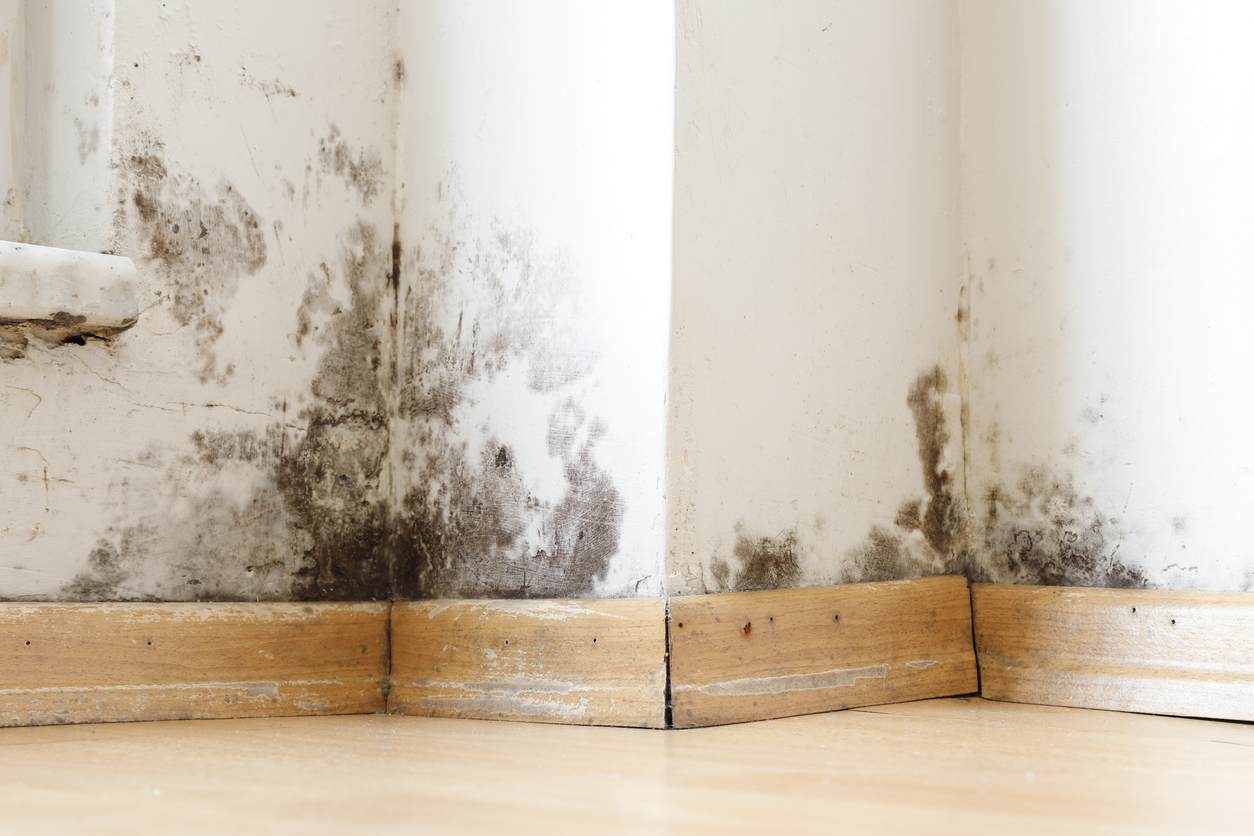
- Dark spots on ceiling corners, baseboards, or behind furniture
- Increased allergy symptoms like sneezing, coughing, or skin irritation
- Sudden mold blooms near bathrooms, kitchens, or laundry areas
If you’re experiencing any of these, it’s time to act before mold spreads to structural materials.

Why Homeowners Delay—and Why They Shouldn’t
In the Pacific Northwest, mold is so common it often gets ignored until it becomes a major issue. But this delay can result in:
- Long-term respiratory risks (especially in children or seniors)
- Damage to drywall, insulation, and subfloors
- Reduced home value from visible or hidden contamination
- Insurance disputes when mold is linked to long-term neglect
That’s why 911 Restoration of Seattle offers full-service mold removal and testing tailored to the specific needs of Federal Way, Northeast Tacoma, and surrounding microclimates.

What to Expect from a Professional Mold Remediation
When you call our team, here’s what we bring to every job:
- Moisture mapping and thermal imaging to detect hidden mold
- HEPA air filtration and containment to prevent cross-contamination
- Lab testing to identify mold type and severity
- Safe removal and disposal of contaminated materials
- Repairs and recommendations to prevent recurrence
We also help with insurance documentation and offer same-day appointments for urgent mold situations.
How to Reduce Your Risk Right Now
Even if you haven’t seen mold yet, here are preventative steps you can take this August:
- Run a dehumidifier in basements or lower levels
- Check attic and crawlspace ventilation for blockages
- Seal exterior cracks and caulking to prevent humid air leaks
- Replace or clean HVAC filters regularly
- Monitor relative humidity indoors and keep it under 55%
And remember, neighborhoods with heavy shade and older construction—like Enchanted Parkway, Marine Hills, and Edgewood—often require additional airflow measures.

Need Immediate Mold Help in Federal Way or Tacoma?
Don’t wait until September when seasonal rain returns. If you suspect mold growth or high moisture levels in your home, get professional help now. Our team is ready to respond with fast, affordable, and thorough service.
Explore our mold removal services, or for more severe situations that include water damage or indoor air quality issues, learn more about our disaster restoration and water damage restoration solutions.
Contact us today to schedule your inspection.